Copaiba Resin - Copaifera officinalis
The chemical composition of the oil-resin of copaíba (Copaifera officinalis) has approximately 72 sesquiterpenes (hydrocarbons) and 28 diterpenes (carboxylic acids). The diterpenes apply in the majority of therapeutic applications, a scientifically proven fact. Sesquiterpenes are partially responsible for the oil resins aroma and have antiulcer, antiviral, and anti-rhinovirus properties.
Technical data
| INCI | Awaiting data sheet |
|---|---|
| CAS | Awaiting data sheet |
| Origin | Awaiting data sheet |
| Plant part | Awaiting data sheet |
| Extraction method | Awaiting data sheet |
| Composition | Awaiting data sheet |
| Applications | Awaiting data sheet |
| Packaging | Awaiting data sheet |
| Minimum order | Awaiting data sheet |
| Lead time | Awaiting data sheet |
| Certifications | Awaiting data sheet |

PHYSICAL-CHEMICAL DATA AND APPLICATIONS
COPAIBA RESIN
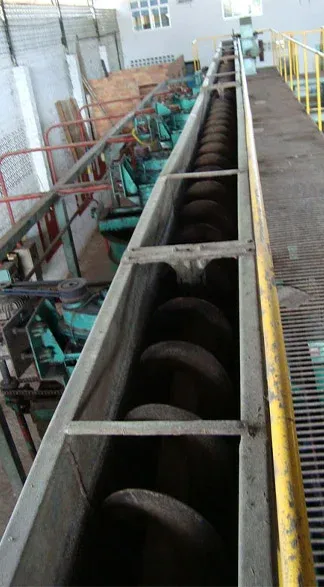
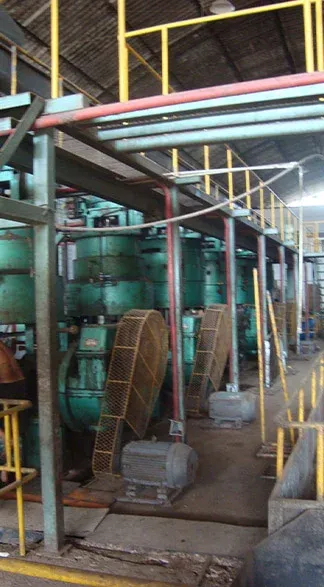
Distillation is a separation process based on the equilibrium between the liquid and gaseous phases of the oil-resin, a homogeneous mixture. The distillation column operates under negative pressure that facilitates the boiling of the oil-resin components at low temperatures, avoiding transforming their bioactive into other substances.
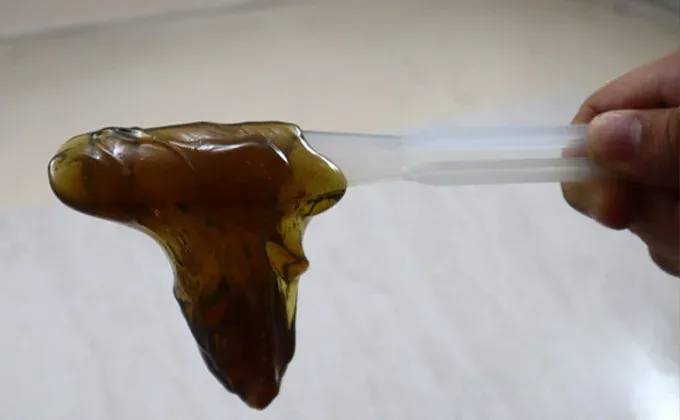
The heaviest components of the resin oil that remain at the distillation column’s bottom plates are of high viscosity, brownish color substance, and rich in diterpenes. The copaíba resin is indicated for numerous purposes of the most varied kinds, and for many years it has been the subject of various studies aimed at proving or adapting it to new therapies such as:
– Anti-inflammatory
– Anti-tumour
– Anti-acne treatment
– Ant-herpes treatment
– Anti psoriasis treatment
ECOLOGY
The extraction process of the oil-resin of copaíba (Copaifera officinalis) is still rudimentary. A hole is drilled into the wood with an auger, 60 or 70 cm from the ground until the trunk’s center. The dripping out resin is collected, much in the same manner as harvesting maple syrup. A single copaiba tree can provide about 40 liters of oleoresin annually, making it a sustainable rainforest resource without destroying the tree or the forest in which it grows. When tapped, the initial oily resin is clear, thin, and colorless; it thickens and darkens upon contact with air. Commercially sold copaiba oil resins are a thick, transparent liquid with a color that varies from pale yellow to golden light brown to dark brown.
REFERENCES
GALUCIO. C. de S. et al (2016): RECUPERAÇÃO DE SESQUITERPENOS DO ÓLEO-RESINA DE COPAÍBA A PARTIR DA DESTILAÇÃO MOLECULAR. Quím. Nova [online]. 2016, vol.39, n.7, pp.795-800. https://doi.org/10.5935/0100-4042.20160096 .
Quote or sample
Tell us the quantity and the factory will come back to you with a quote.